Whether you’re powering an RV, solar setup, or backup system, lithium battery lifespan is make-or-break.
The Quick Answer
Standard Lithium-ion (phones, EVs): 2–5 years
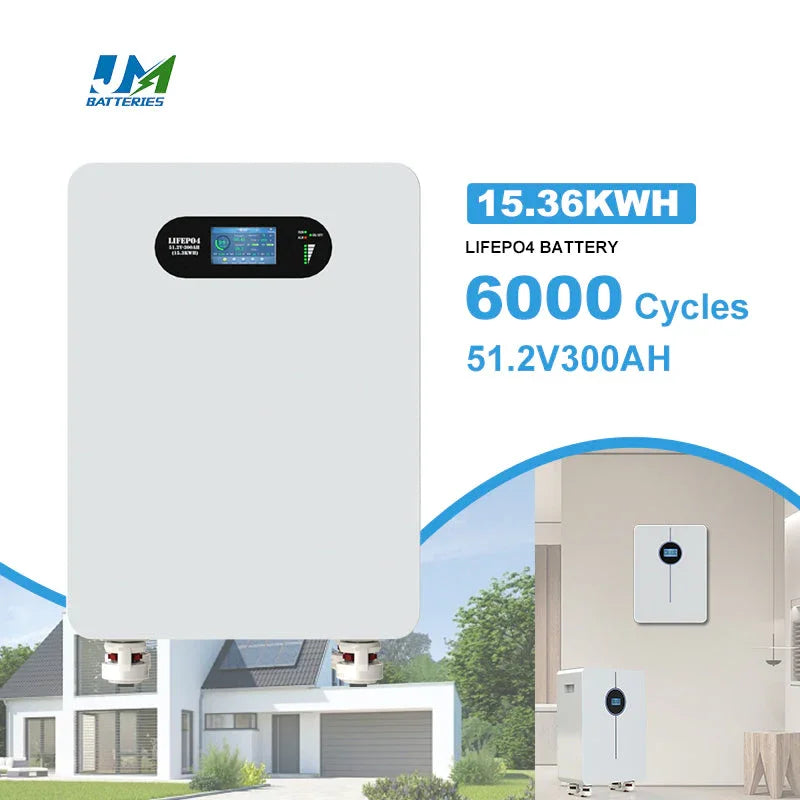
LiFePO4 (solar, off-grid): 10–15 years
Solar Storage Batteries: 8–12+ years (with proper care)
What Dictates Lifespan?
Chemistry Matters:LiFePO4 (lithium iron phosphate): 5,000–7,000 cycles
Why? Stable structure, heat-resistant, no cobalt.
Standard Lithium-ion: 500–1,500 cycles
Suffers faster degradation under heat/stress.
Usage Habits:
Depth of Discharge (DoD):
LiFePO4: 80–90% DoD
Lead-acid: 50% max
Deeper cycles = shorter life
Environment:
Heat Kills: Above 30°C (86°F) cuts lifespan in half.
Cold Cripples: Below 0°C (32°F) reduces capacity.
Solar Energy Storage Batteries: Pro Tips
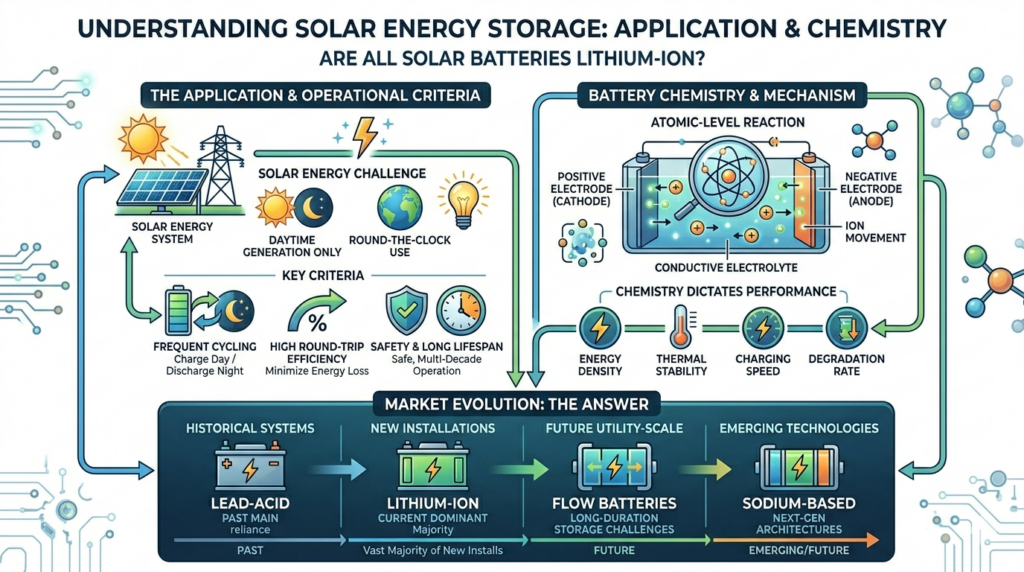
LiFePO4 dominates solar for good reason:
Cycle King: 10+ years even with daily use.
Zero Maintenance: No watering or equalizing.
Efficiency: 95–98% vs. lead-acid’s 80–85%.
Maximize Your Battery’s Life
Use a Smart Charger: Prevents overcharge/over-discharge.
Keep Cool: Install in shaded/ventilated space.
Avoid 100% Discharge: Stay above 10–20% charge.
Storage Tip: Store at 50% charge if unused for months.
Real-World Comparison
|
Battery Type |
Avg. Lifespan |
Cycles |
Best For |
|
LiFePO4 |
10–15 years |
5,000+ |
Solar, Daily Use |
|
Standard Lithium |
3–8 years |
1,500 |
EVs, Electronics |
|
Lead-Acid |
2–5 years |
300–500 |
Budget backups |
Worth the Upgrade?
While LiFePO4 costs 2–3x upfront:
Lasts 3x longer than lead-acid
No replacement costs for 10+ years
Saves space/weight (half the size!)
Pro Tip: Brands like Renogy, Lion Energy, and EG4 offer 5-year warranty—always check cycle count in the fine print!
Sum up
LiFePO4 batteries last 10-15 years (5,000+ cycles) – 3x longer than lead-acid – making them ideal for solar energy storage. Standard lithium-ion lasts 3-8 years. Proper charging and temperature control maximize lifespan.