Meta Description: Learn to power your camper off-grid with SLT Energy’s LiFePO4 batteries—step-by-step system setup, how to choose the right lithium-ion battery (vs. lead-acid), real camper cases, and tips for 24/7 reliable power.
Abstract
In the fourth installment of SLT Energy’s Lithium Battery Series, we focus on a top need for outdoor enthusiasts: how to power a camper off-grid. Whether you’re planning a weekend family trip or a months-long cross-country RV adventure, a reliable off-grid system turns your camper into a self-sustaining home—no hookups required. This article breaks down the core components of a camper off-grid power system (solar panels, storage batteries, inverters), explains why SLT’s lithium-iron phosphate (LiFePO4) batteries outperform traditional lead-acid alternatives, and shares step-by-step guidance to size and install your system. We also include three real-world cases of SLT clients using our moveable solar batteries and LiFePO4 packs to power their campers, plus answers to common questions (e.g., “How long will a SLT Battery last in a camper?”). By the end, you’ll have all the tools to build a quiet, efficient, and cost-saving off-grid power setup for your camper—backed by SLT’s 10 years of energy storage expertise and 80,000+ global customers.
1. What You Need for a Camper Off-Grid Power System
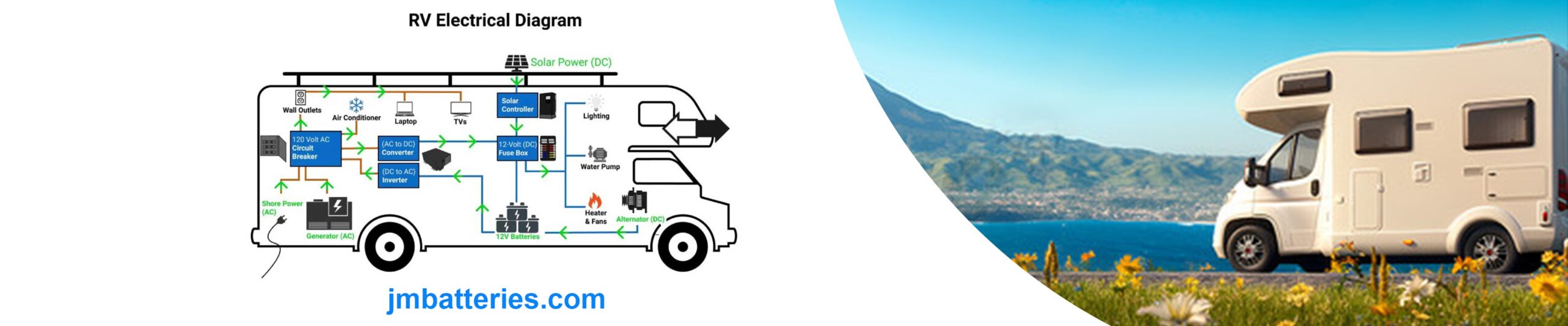
An off-grid camper power system has three non-negotiable components: solar panels (to collect energy), a storage battery (to save energy), and an inverter (to convert energy to usable AC power). Here’s how each part works—with a focus on SLT Energy’s products that make the system simple and reliable:
1.1 Solar Panels: The “Fuel” Source
Solar panels capture sunlight and convert it to DC power, which charges your battery. For campers, portable or roof-mounted panels work best (portable = flexible for shaded spots).
- SLT compatibility: All SLT lithium batteries (moveable or compact) pair with standard 12V/24V solar panels (50W–300W). Our moveable solar battery series even includes optional solar panel bundles—perfect for campers who want a “plug-and-play” setup (no separate purchases needed).
1.2 Storage Battery: The “Backbone” (Why LiFePO4 Is Best)
The battery stores solar energy for use when the sun isn’t shining (e.g., night, cloudy days). This is where SLT’s LiFePO4 batteries shine—especially compared to outdated lead-acid batteries (a common competitor for campers):
| Feature | SLT LiFePO4 Batteries (e.g., Moveable Solar Series) | Traditional Lead-Acid Batteries |
|---|---|---|
| Weight | Lightweight (25.6V 50Wh model = 3.5kg) | Heavy (same capacity = 10kg+) |
| Cycle Life | 6000+ cycles (lasts 5–8 years of regular camping) | 300–500 cycles (needs replacement every 1–2 years) |
| Efficiency | 99% max efficiency (minimal energy loss) | 70–80% efficiency (wastes power) |
| Safety | No acid leaks; resists thermal runaway | Risk of acid spills; overheats easily |
| Maintenance | Maintenance-free (no water refilling) | Requires regular water checks |
SLT’s Grade A LiFePO4 cells (including options with BYD Blade Cells for extra durability) also include WiFi/Bluetooth connectivity—so you can monitor battery level, charge status, and temperature from your phone (critical for avoiding dead batteries mid-trip).
1.3 Inverter: Convert DC to AC Power
Campers use AC power for devices like fridges, microwaves, and phone chargers. A 12V/24V inverter converts the battery’s DC power to AC.
- SLT tip: Pair our 25.6V moveable battery with a 500W inverter for small devices, or the 51.2V model with a 1000W inverter for larger gear (e.g., a mini-fridge). SLT sells compatible inverters as add-ons for a seamless setup.
2. Step-by-Step: Set Up Your Camper Off-Grid Power System with SLT Batteries
Follow these 4 steps to build a system that fits your camping style—whether you’re gone for 3 days or 3 months:
Step 1: Calculate Your Camper’s Power Needs
First, list all devices you’ll use and their daily power consumption (Wh = Watts × Hours Used). Example for a small camper:
- Mini-fridge (50W × 24h = 1200Wh)
- LED lights (10W × 6h = 60Wh)
- Phone/laptop charging (20W × 4h = 80Wh)
- Total daily need: 1340Wh
SLT rule of thumb: Choose a battery with 20–30% extra capacity to account for cloudy days. For the example above, a 1600Wh+ battery works—like SLT’s 51.2V 32Ah Moveable Solar Battery (51.2V × 32Ah = 1638Wh).
Step 2: Choose the Right SLT Battery Model
SLT offers 3 camper-friendly options—pick based on your trip length and power needs:
| SLT Battery Model | Capacity | Best For | Key Features (Camper-Focused) |
|---|---|---|---|
| Compact LiFePO4 Power Pack | 30Wh–60Wh | Day trips/weekend camping (phone/lights) | Pocket-sized; charges via solar or USB |
| 25.6V Moveable Solar Battery | 50Wh–80Wh | 3–5 day trips (lights + small chargers) | Lightweight (3.5kg); solar-chargable; WiFi |
| 51.2V Moveable Solar Battery | 102.4Wh–1638Wh | 1+ week trips (fridge + all devices) |
Step 3: Install & Connect the System
SLT’s “Plug And Play” design makes installation easy—no electrical expertise needed:
- Mount solar panels: Use roof brackets (for permanent setup) or a portable stand (for flexibility).
- Connect panels to battery: Plug the solar panel’s DC cable into the SLT Battery’s solar input port (labeled “SOLAR IN”).
- Connect inverter to battery: Plug the inverter into the battery’s DC output port (labeled “DC OUT”).
- Turn on and monitor: Use the SLT app (via WiFi/Bluetooth) to check battery level—set alerts for low charge (e.g., 20% remaining).
Step 4: Optimize for Long-Lasting Power
- Charge smart: Let the battery charge to 80–90% (not 100%) for longer cycle life (SLT’s app has a “Camp Mode” that auto-stops charging at 90%).
- Conserve power: Use LED lights instead of incandescent; turn off the fridge when not needed (SLT’s battery maintains charge well—no need to overwork it).
- Weather prep: Store the battery in the camper (not outside) during extreme cold—LiFePO4 performs better than lead-acid in cold temps, but freezing conditions can slow charging.
3. Real-World Cases: SLT Batteries Powering Campers Globally
These stories from SLT’s 80,000+ global customers show how our batteries solve real off-grid camping problems:
3.1 Case 1: Family Weekend Camping in Colorado, USA
The Smiths (2 adults + 2 kids) wanted a quiet alternative to a noisy gas generator for their 3-day camping trip. They chose SLT’s 25.6V 80Wh Moveable Solar Battery + 100W portable solar panel:
- Setup: They placed the solar panel on the camper roof during the day (charged the battery in 4 hours of sunlight).
- Use: Powered LED string lights, a phone charger, and a small cooler (kept drinks cold for 24h).
- Feedback: “No more listening to generators—we could hear the birds!” Mrs. Smith said. “The battery was so light, my 10-year-old helped carry it to the campsite.”
3.2 Case 2: 6-Month RV Trip Across Australia
Mark, a retired traveler, spent 6 months driving his RV across remote parts of Australia (no grid access). He used SLT’s 51.2V 1638Wh Moveable Solar Battery + 300W roof-mounted solar panels:
- Challenges: Extended cloudy days in the Outback; need to power a mini-fridge, microwave, and laptop.
- SLT Solution: The battery’s 6000+ cycles meant no replacement mid-trip; WiFi monitoring let him track charge levels from his phone (he adjusted usage on cloudy days).
- Results: Saved $800+ on gas (vs. a generator); the battery lasted the entire trip with no issues. “I even used it to charge a neighbor’s battery when theirs died—they switched to SLT too!” Mark said.
3.3 Case 3: Remote Camping in Patagonia (No Sun for 2 Days)
A group of 4 hikers camped in Patagonia, where 2 straight days of rain meant no solar charging. They relied on SLT’s 51.2V 1024Wh Battery (charged fully before the trip):
- Powered: A portable stove (for hot meals), LED headlamps, and a satellite phone (for emergencies).
- Key Win: The battery’s 99% efficiency meant minimal energy loss—even after 2 days, it still had 30% charge left.
- Why SLT Over Lead-Acid: “We couldn’t carry a heavy lead-acid battery on the hike,” said the group leader. “SLT’s battery was light enough to fit in our backpacks, and it held a charge better than we expected.”
4. FAQs: Camper Off-Grid Power with SLT Batteries
Q1: How long will a SLT LiFePO4 battery power my camper?
It depends on capacity and usage. For example:
- 25.6V 80Wh battery: Powers LED lights (10W) for 8 hours.
- 51.2V 1638Wh battery: Powers a mini-fridge (50W) for 32 hours.
Use SLT’s “Power Calculator” (available on our website) to get a custom estimate.
Q2: Can I charge a SLT Battery with a generator (backup for no sun)?
Yes! All SLT Batteries have a DC input port for generator charging. We recommend a 12V/24V generator (smaller and quieter than gas generators) for backup.
Q3: Is SLT’s LiFePO4 battery safe for campers (e.g., in hot/cold weather)?
Absolutely. SLT’s batteries resist temperatures from -20°C to 60°C (-4°F to 140°F)—perfect for camping in deserts or mountains. They also have no acid leaks, so they’re safe to store inside the camper.
Q4: How does SLT’s moveable battery compare to cobalt-based Li-ion batteries?
Cobalt-based Li-ion batteries (used by some competitors) are cheaper but riskier—they can overheat and catch fire. SLT’s LiFePO4 batteries have no cobalt, so they’re safer for enclosed camper spaces. They also last 2–3x longer (6000+ vs. 2000+ cycles).
Conclusion
Powering a camper off-grid doesn’t have to be complicated—with the right system (solar panels + SLT LiFePO4 battery + inverter), you can enjoy quiet, reliable power anywhere. SLT’s moveable solar batteries are designed for campers: lightweight, maintenance-free, and packed with features like WiFi monitoring and long cycle life. Whether you’re on a weekend trip or a cross-country adventure, we have a solution that fits your needs.
Ready to build your camper’s off-grid power system? Contact SLT Energy today for a custom recommendation:
- Email: Henry@jmenergytech.com
- Phone: +186-1712-5080
- Website: https://www.jmenergytech.com/
Stay tuned for SLT Lithium Battery Series 05, where we’ll explain how to maintain your lithium battery for years of camping trips!