Abstract
Introduction
Pros and cons of solar battery storage
Advantages of Solar Battery Storage
-
24/7 Energy Access and Energy Independence
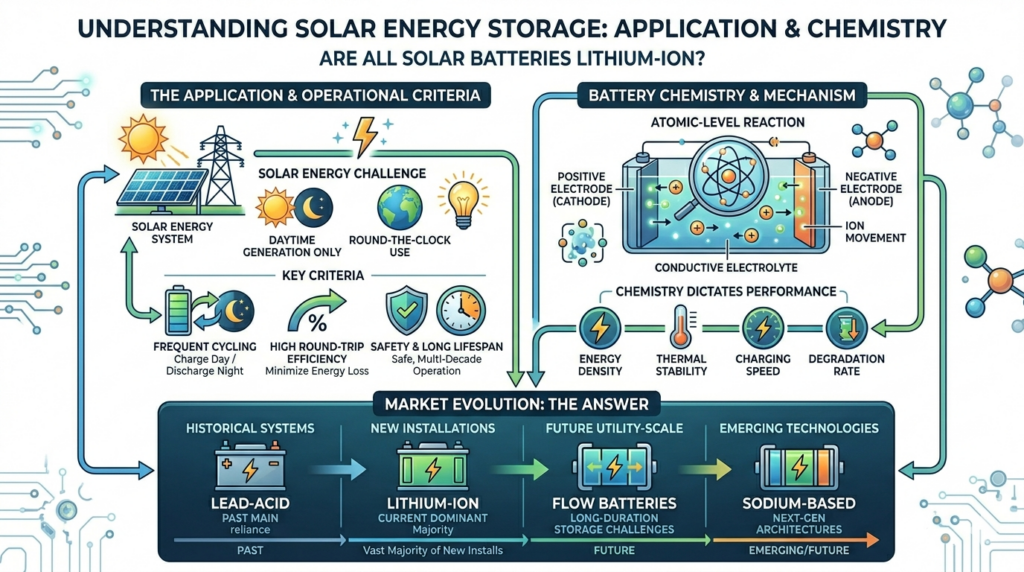
Solar panels only produce electricity when sunlight is available, so they cannot meet round-the-clock household energy needs alone. A solar battery resolves this issue by storing excess solar energy during the day for use at night, on cloudy days or during power cuts. This function ensures continuous power supply and helps homeowners achieve varying levels of energy independence. For those pursuing full off-grid living, a properly sized home energy storage system paired with solar panels can shield users from grid price fluctuations and regional power shortages, delivering long-term energy stability and control.
-
Reliable Emergency Backup Power
In areas prone to natural disasters like wildfires, hurricanes or severe storms, a solar battery acts as a lifeline during grid failures. Unlike homes with solar panels only— which shut down automatically during outages for safety—properties with integrated solar battery storage can keep essential appliances running. This includes lights, refrigerators, medical devices and communication tools. This reliability is vital for protecting household health and safety, especially for families with elderly members or people who rely on continuous power for medical equipment.
-
Substantial Reduction in Electricity Bills
Many utility providers use time-of-use (TOU) pricing, where electricity costs far more during peak demand hours—usually late afternoon to early evening. By storing solar energy in a solar battery during low-price daytime hours and using it during peak periods, homeowners can slash monthly electricity bills significantly. In regions with net metering policies, excess energy stored in the battery can also be fed back to the grid, earning users bill credits or financial incentives that further lower costs. For example, households in areas with a $0.15 per kWh difference between peak and off-peak rates can save hundreds of dollars annually by optimizing energy use with a home energy storage system.
-
Environmental Benefits and Lower Carbon Footprints
Solar battery systems play a key role in promoting clean, renewable energy adoption. By maximizing solar power utilization—a zero-emission energy source—these systems cut reliance on fossil fuels like coal and natural gas, major contributors to greenhouse gas emissions and air pollution. Unlike noisy, fume-emitting diesel generators, solar battery systems operate silently and produce no direct emissions. Modern solar batteries, such as the lithium iron phosphate (LiFePO4) batteries available at https://jmbatteries.com/, use non-toxic, eco-friendly materials, minimizing their environmental impact throughout their lifecycle.
-
Potential Extra Income via Virtual Power Plants (VPP)
Advanced solar battery systems can join virtual power plants—networks of distributed energy storage devices that supply power to the grid during high-demand periods. Homeowners in VPP programs can earn extra income by selling stored energy back to utilities when grid demand peaks. This not only delivers return on investment but also supports grid stability by easing pressure on traditional power plants during peak hours.
Disadvantages of Solar Battery Storage (Preview)
What are the disadvantages of solar batteries?
-
High Upfront Cost and Long Payback Periods
Large-scale solar battery systems cost $8,000 to $30,000 before tax credits and incentives. This price includes the battery itself plus additional components like inverters, wiring and installation fees. Households with high energy needs or off-grid goals may need multiple batteries, pushing upfront costs even higher. Even with the U.S. federal tax credit—covering up to 30% of solar battery installation costs—payback periods range from 5 to 8 years in regions with favorable electricity prices. In areas with lower rates or limited incentives, payback can stretch to 10 years or more, making solar battery storage a long-term investment unsuitable for homeowners planning to sell properties soon.
-
Limited Lifespan and Capacity Degradation
Most solar battery systems on the market last 10 to 15 years, far shorter than the 25-year lifespan of standard solar panels. Battery storage capacity degrades with each charge-discharge cycle over time. After about 3,000 cycles, a lithium-ion solar battery typically retains only 70–80% of its original capacity, failing to meet the same energy demands as when new. For example, a 10 kWh battery that once powered a home overnight may only deliver 7–8 kWh of usable energy after several years. Replacing solar batteries costs 40–50% of the original system price, and homeowners may need 2–3 battery replacements before upgrading solar panels, adding to long-term maintenance expenses.
-
Environmental and Social Impacts of Battery Production
While solar battery systems reduce carbon emissions during use, their production has notable environmental and social downsides. Solar batteries rely on rare metals like lithium, cobalt and nickel, whose extraction often involves destructive mining practices. These activities can cause water pollution, deforestation and habitat loss in mining regions. Some operations are also linked to labor rights violations, including child labor and unsafe working conditions. Global battery recycling infrastructure remains underdeveloped, so most spent solar batteries end up in landfills, where toxic components can leak into soil and groundwater. Newer technologies like LiFePO4 batteries from https://jmbatteries.com/ use fewer rare metals and are more recyclable, but the industry still needs to make significant progress toward full sustainability.
-
Complex Installation and Safety Considerations
Installing a solar battery system is not a DIY project; it requires professional expertise and compliance with local regulations. In most regions, homeowners must secure permits, pass inspections and get utility company approval before installation. Certified technicians are needed to ensure proper wiring, inverter compatibility and integration with existing solar panel systems, increasing overall costs and project timelines. Safety is another critical concern. While modern solar batteries have built-in Battery Management Systems (BMS) to monitor temperature and prevent overcharging, thermal runaway risks remain— a process where batteries overheat and catch fire or explode. This risk is higher for nickel manganese cobalt (NMC) batteries, making proper installation, ventilation and maintenance essential for hazard prevention.
-
Opportunity Cost vs. Alternative Energy Efficiency Upgrades
For homeowners with limited budgets, investing in a solar battery system means giving up other energy efficiency upgrades with faster returns. Home improvements like wall insulation, high-efficiency HVAC systems, LED lighting and energy-saving appliances typically pay for themselves in 2 to 3 years, far quicker than solar battery systems. These upgrades cut overall energy use at the source, while solar batteries only store energy generated by solar panels. For households in older, inefficient homes, prioritizing energy efficiency upgrades before investing in home energy storage is a more cost-effective way to lower bills and environmental impact.

How many years do solar batteries last?
Key Factors Affecting Solar Battery Lifespan
-
Battery Chemistry
Different battery chemistries have varying lifespans and durability levels. Lithium iron phosphate (LiFePO4) batteries— widely used in modern home energy storage systems—offer the longest lifespan, with some models supporting up to 8,000 charge-discharge cycles. This translates to 12 to 15 years of use for batteries cycled once daily. In contrast, older, cheaper lead-acid batteries only last 5 to 7 years, as they degrade faster with frequent cycling. LiFePO4 batteries from https://jmbatteries.com/ are engineered for longevity, with smart BMS and deep discharge protection features that extend usable life.
-
Usage Patterns
Battery discharge frequency and depth are major drivers of solar battery lifespan. A full charge-discharge cycle—charging to 100% and discharging to the minimum safe level—counts as one cycle. Frequent full cycles speed up capacity degradation, while shallow cycles (e.g., discharging to 50% before recharging) can extend battery life significantly. For example, a solar battery cycled once every two days will last twice as long as one cycled daily. Depth of discharge (DoD)— the percentage of battery capacity used before recharging— also plays a key role. Most solar batteries have a recommended DoD of 80–95%; exceeding this limit can cause permanent cell damage. A 9.8 kWh battery with 95% DoD, for instance, has 9.3 kWh of usable capacity, and consistent over-discharging will shorten its lifespan.
-
Warranty Terms
Solar battery warranties offer clear insights into expected product lifespan, as they outline conditions for manufacturer replacement or repair. Most solar battery warranties expire when the first of three conditions is met:
- Warrantied Life Expiration: The standard 5-year warranty period from installation date ends.
- Cycle Life Exhaustion: The battery hits its maximum charge-discharge cycle limit (e.g., 3,000 cycles for standard lithium-ion batteries).
- Energy Throughput Cap Reached: Total energy passing through the battery exceeds the manufacturer’s limit.
| Specification | Value |
|---|---|
| Nominal Capacity | 9.8 kWh |
| Usable Capacity (95% DoD) | 9.3 kWh |
| Energy Throughput Limit | 24,300 kWh |
| Maximum Full Cycles | 2,946 |
| Estimated Service Life (1 cycle/day) | 8.07 years |
Lifespan Comparison: Solar Batteries vs. Solar Panels
| Component | Lifespan | Number of Replacements Needed (Over 25 Years) |
|---|---|---|
| Solar Panels | 25+ years | 0 |
| Solar Batteries (LiFePO4) | 12–15 years | 1–2 |
| Solar Batteries (Lead-Acid) | 5–7 years | 3–5 |
High-Quality Home Energy Storage Solutions
Conclusion

Key Advantages
Flexible Installation
Movable and wall-mounted setup options to fit any home or commercial space.
Light Strip Design
The “Lights” feature allows users to check battery level warnings at any time.
Full Customization
OEM/ODM supported with touchscreen logo and multi-language customization.
Smart Monitoring System
Built-in WiFi, Bluetooth and BMS for real-time, efficient battery monitoring.
Long Cycle Life
8000 charge-discharge cycles for exceptional long-term durability and reliability.
Multiple Capacity Options
15kWh (51.2V 300Ah) and 16kWh (51.2V 314Ah) to meet diverse energy needs.
5-Year Warranty
Comprehensive 5-year warranty for complete peace of mind and worry-free use.
Technical Specifications
| Parameter | Value |
|---|---|
| Nominal Voltage | 51.2V (48V Compatible) |
| Capacity Options | 15kWh (300Ah) / 16kWh (314Ah) |
| Cycle Life | 8000 Cycles (80% DOD) |
| Installation Type | Movable / Wall-mounted |
| Smart Features | WiFi, Bluetooth, BMS |
| Customization | Touchscreen Logo, Multi-language |
| Warranty | 10 Years |